Five Parts, One AI, and the Same Lesson Every Time
For a week I let an AI agent drive Fusion 360. I handed it photos, a hand drawing, an STL, and a lot of corrections; it ran the model. Each part below is the same story — a reference on the left, what the AI built on the right — and the gap between them came down to one thing.
- The AI did the CAD. I supplied the eyes, the references, and the fixes.
- The lesson, every time: the reference is ground truth — a clear photo or drawing beats any amount of clever guessing.
- A ski clip took 28 tries from photos; a steel part took one pass from a dimensioned drawing.
- Parametric models made corrections free — a wrong size was one number, not a rebuild.
- And the one that quietly democratized a five-figure workflow: a downloaded 3-D-print mesh, turned back into an editable parametric model.
Where it started: a van
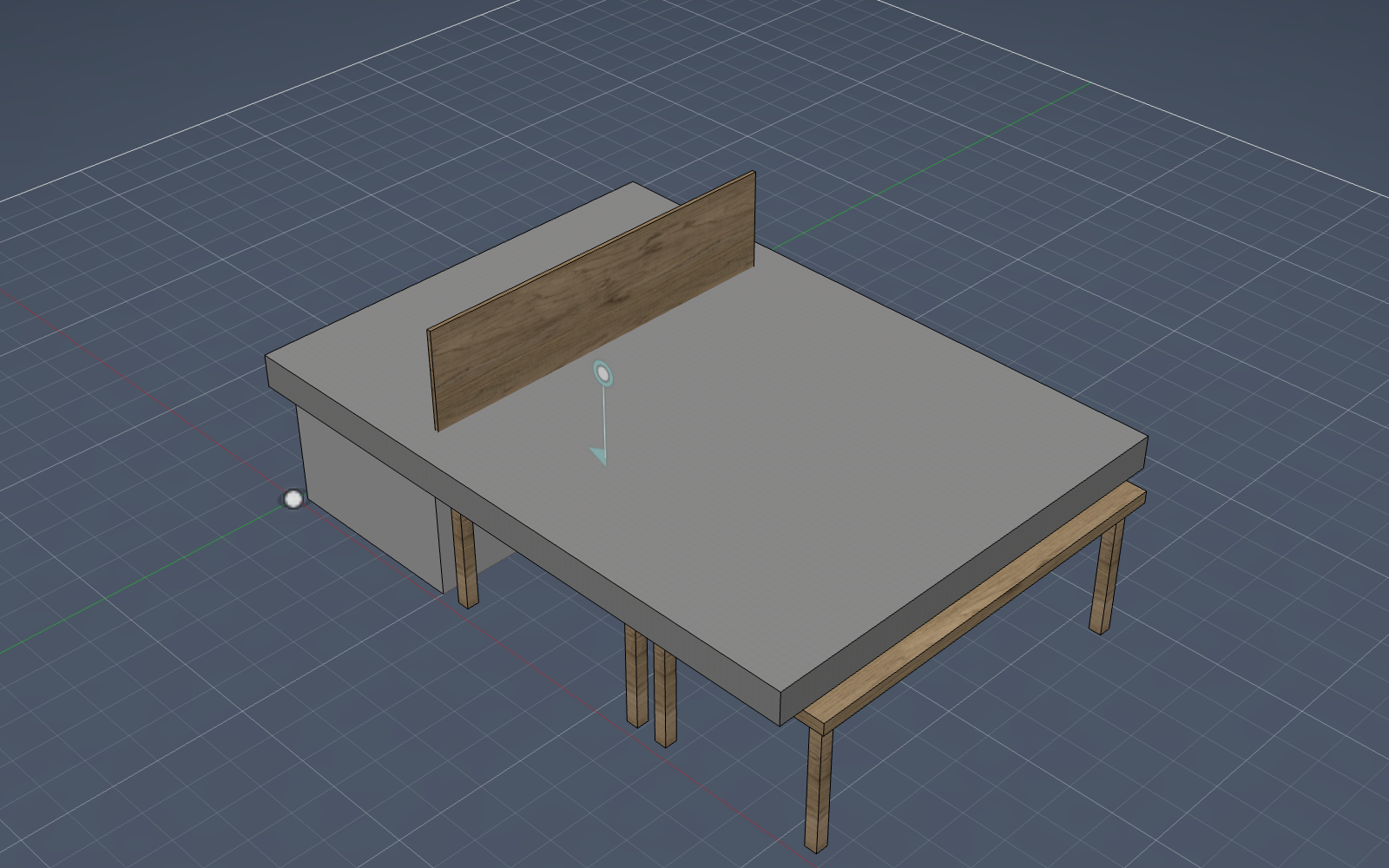
The first build wasn't a tutorial cube — it was the deck for my Toyota Sienna camper, from Matt's layout rather than a photo. Twenty-five parts, all parametric. The point was to see if an AI could hold a model that size together without it falling apart. It could. That's what made the rest worth doing.
28 tries on one ski clip
Then something tiny: the plastic connector that clips a climbing skin to a ski tip. The white insert came together fast. The black receiver took 28 versions — not because the CAD was hard, but because we kept mis-reading how it locks. The fix wasn't a better tool. It was a photo of the part by itself, which had existed the whole time.
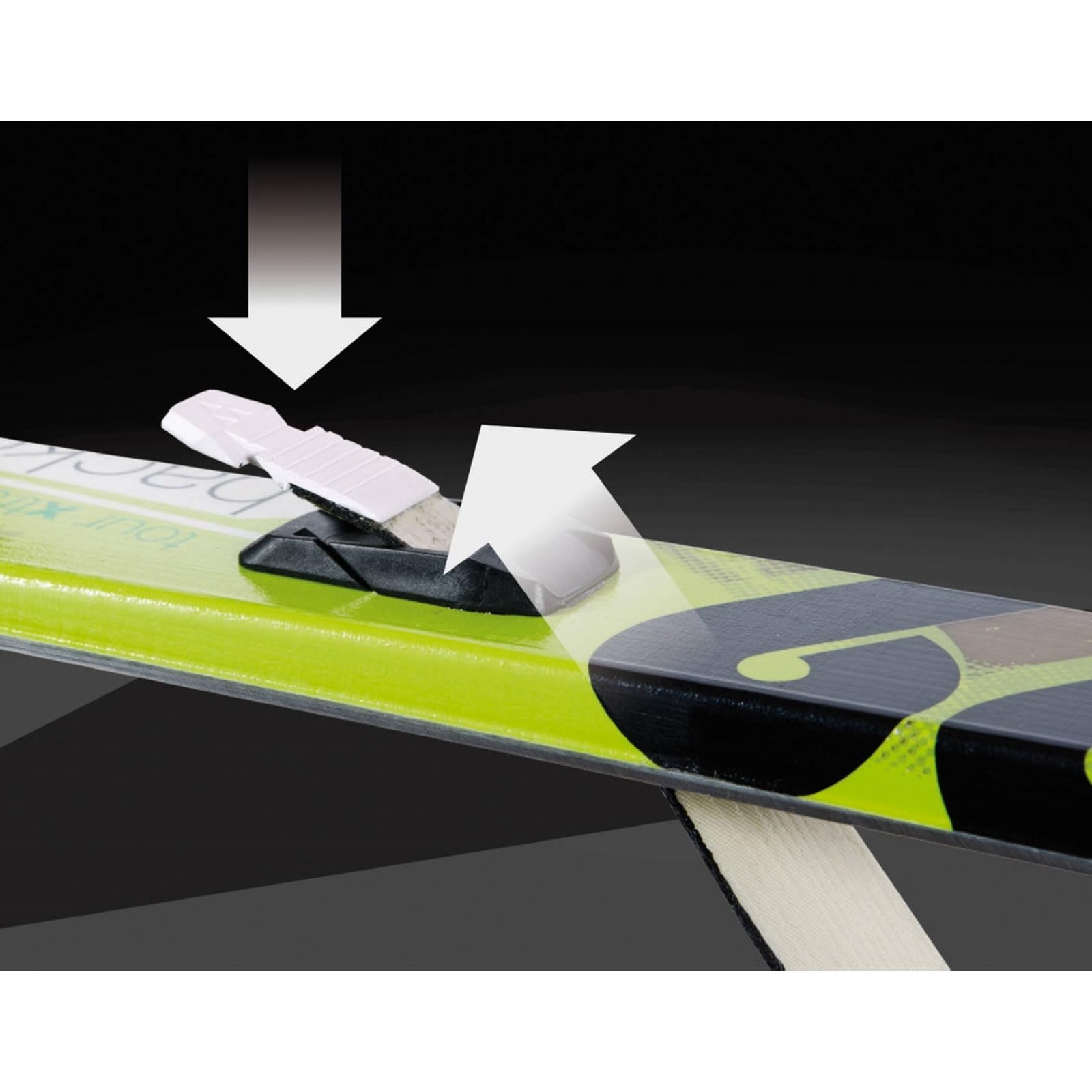
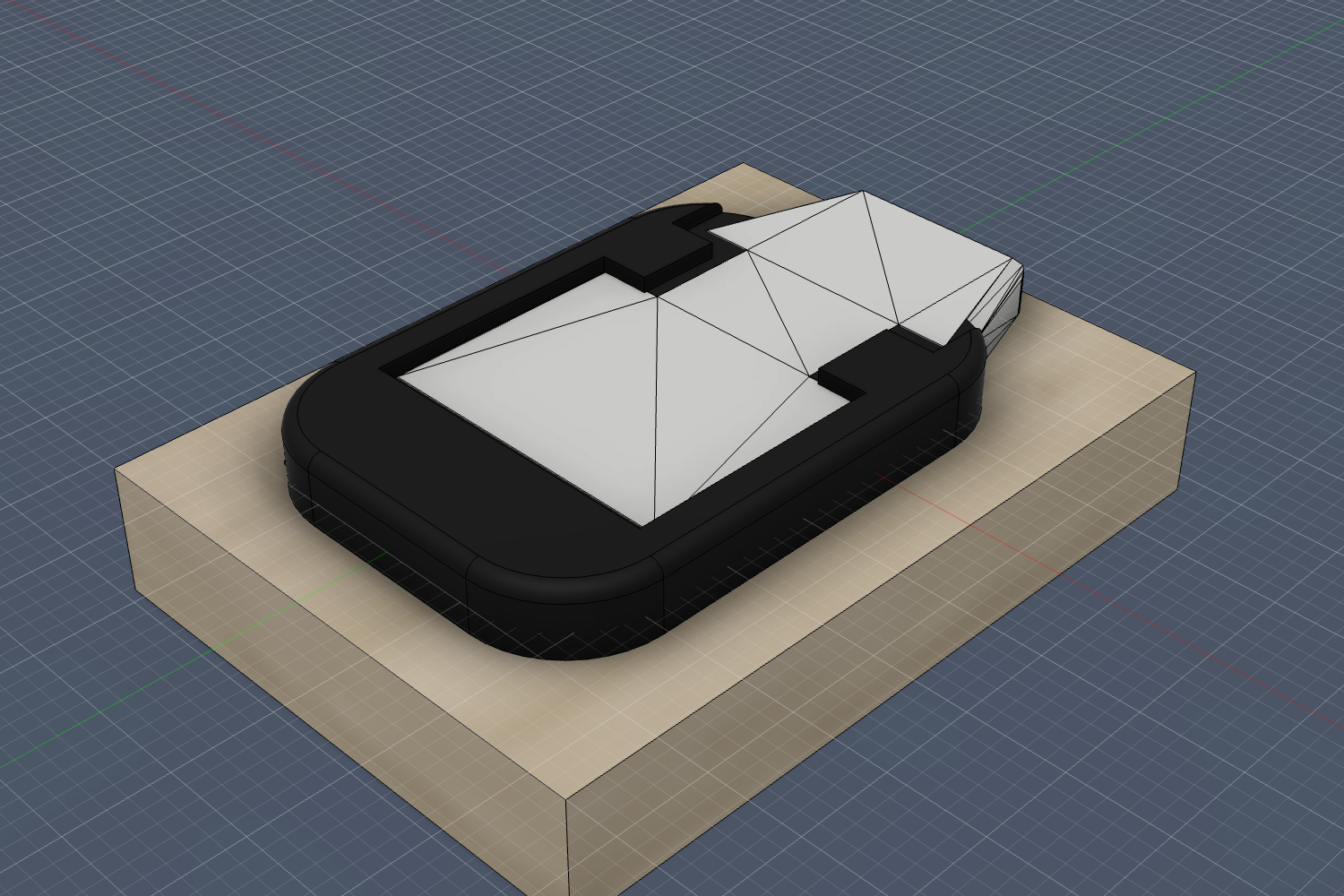
Full story: Reading a Ski-Skin Connector.
Wrong from photos, right from the file
A drysuit gasket tool, copied from a 3-D print online. We sized it from pictures and got it wrong — built it 10.5″ when the real one is 9.5″. The maker emailed the actual file, and the fix was a single number, because the model was parametric.
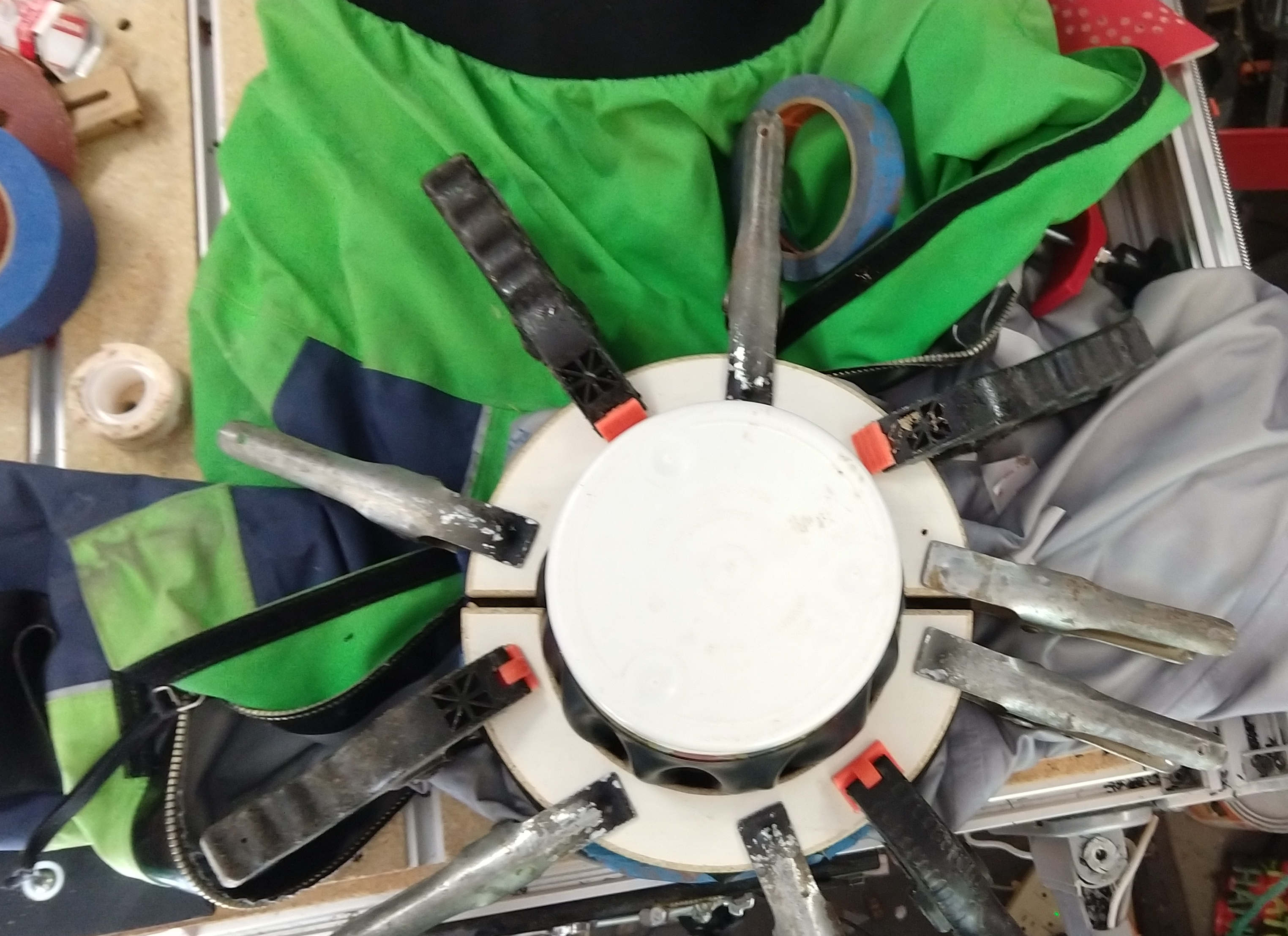
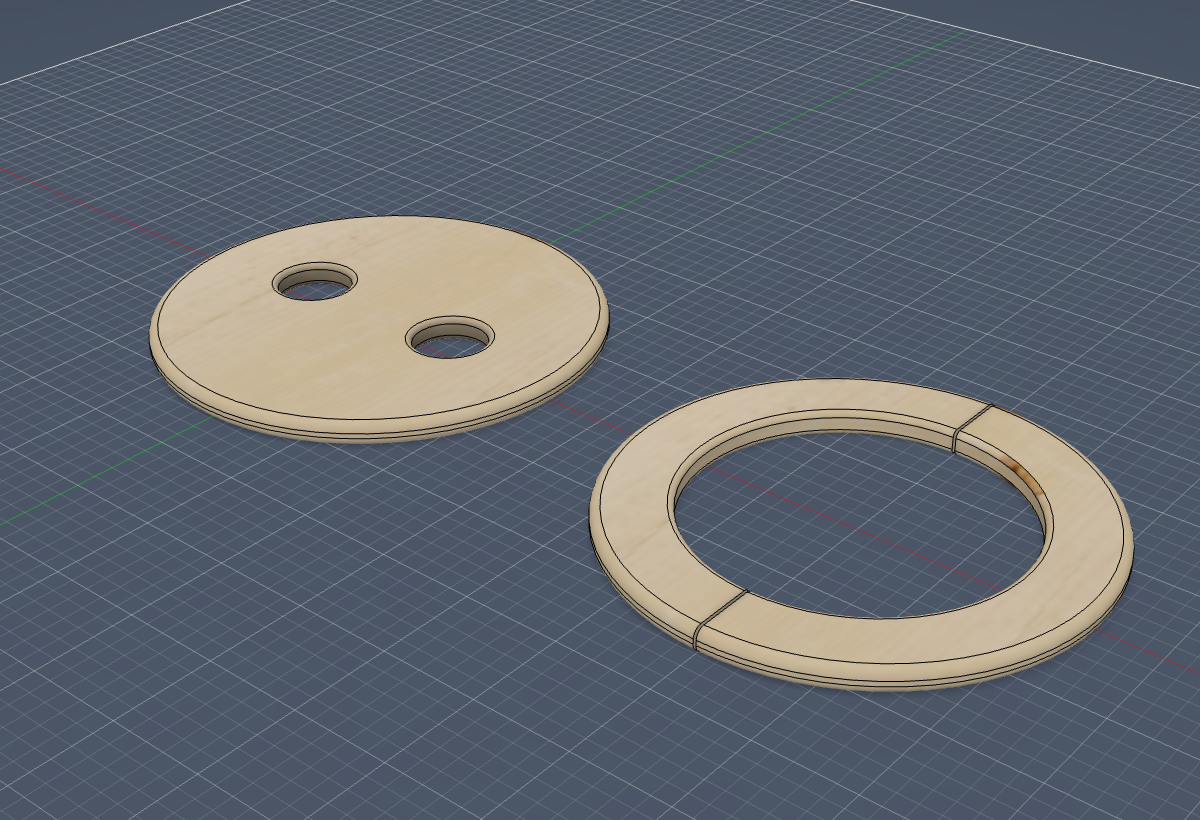
Reverse-Engineering a Drysuit Repair Tool.
A drawing beats a hundred photos
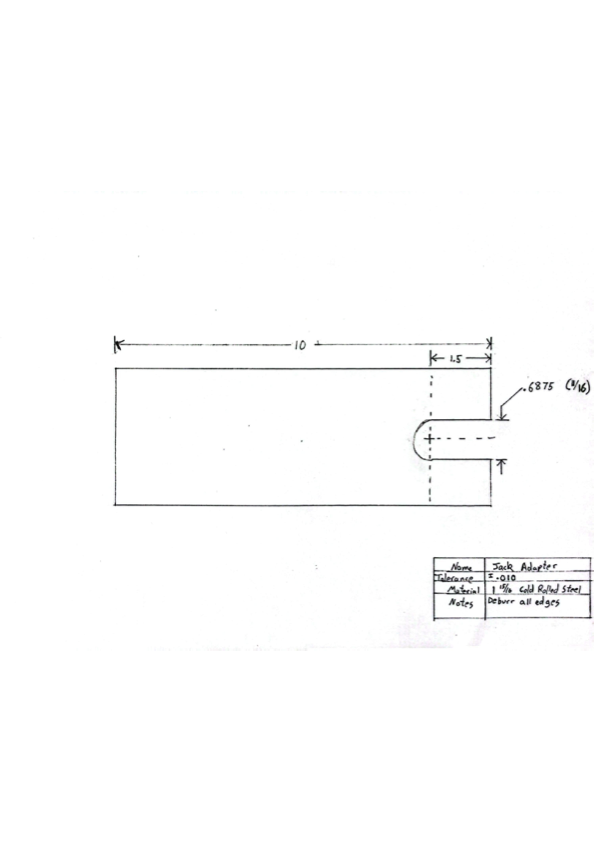
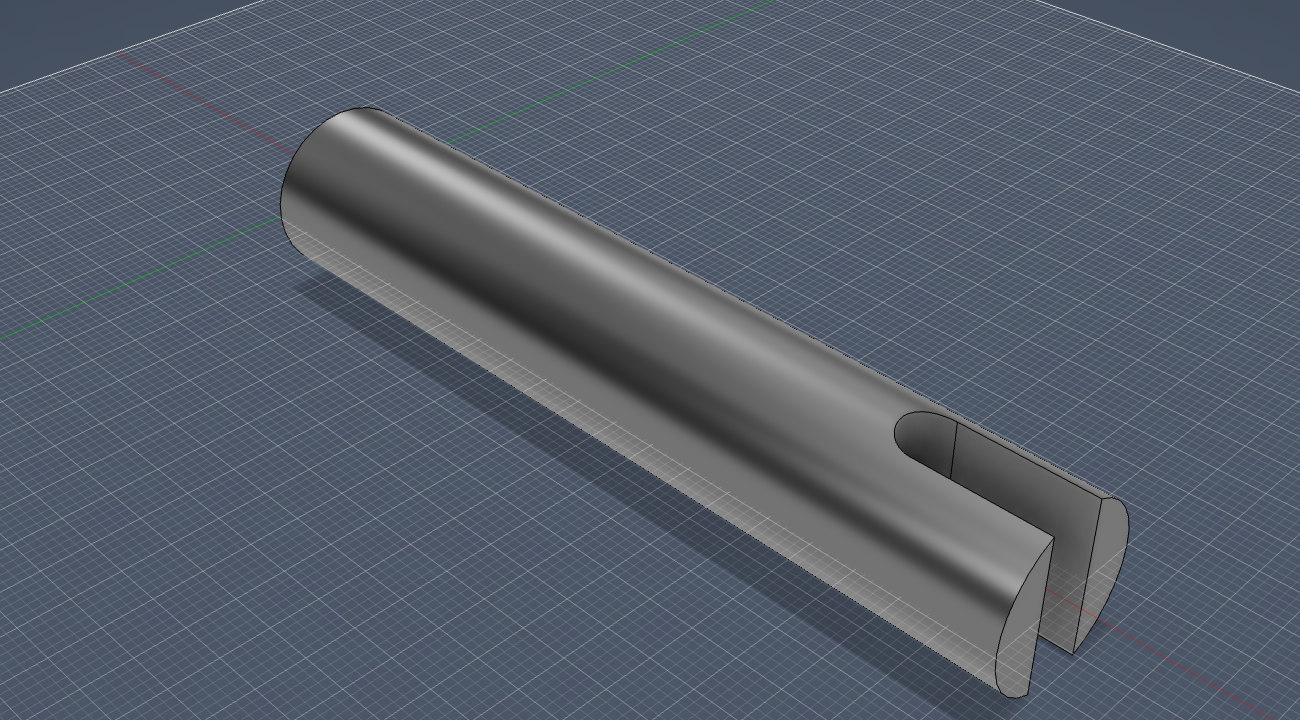
Then a steel jack adapter for a Pilatus PC-12, from a hand shop drawing with four numbers on it. One pass. No revisions. Same AI, same me — the only difference from the ski clip was that this time the reference was exact.
What it actually taught me
Three smaller lessons, none about CAD software:
- Parametric makes corrections free. Get a dimension wrong, change the number, done — no rebuild.
- The save that matters is the file on your disk. Fusion's cloud save turned out flaky; the model that's actually safe is the one exported to a folder I control.
- One Fusion, many helpers, needs a traffic light. Running several AI threads into a single Fusion, they trampled each other — until a tiny shared lock made them take turns.
The fast builds and the slow ones used the same tools and the same agent. The only variable was the quality of what I handed it. Feed a fast builder a good reference and get out of the way.